Splinting in Our Northern Ireland Clinics: Supporting Your Hand & Upper Limb Recovery
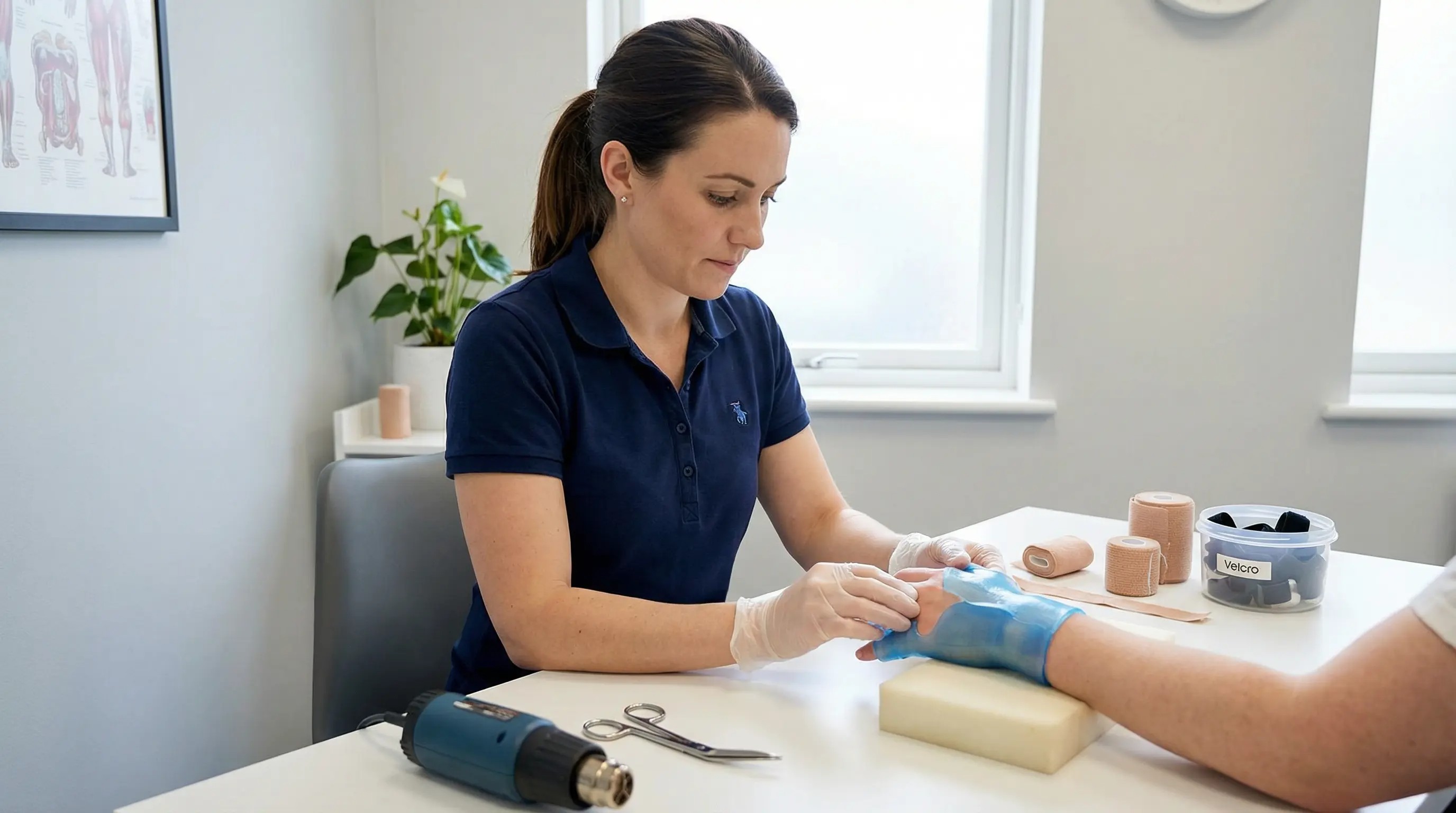
In our Belfast and Hillsborough clinics, we take a personalised approach to splinting. Unlike off-the-shelf braces, our splints are custom-made during your appointment. This means we can design them to suit your unique anatomy and recovery goals, whether you’re healing after surgery, managing a long-term condition like arthritis, or navigating a tendon or nerve injury.
What Is Therapeutic Splinting?
A splint (or orthosis) is a device designed to support, protect or control movement in a specific part of the hand, wrist or upper limb. In hand therapy, splints have a variety of purposes, from immobilising a healing fracture to positioning a joint in optimal alignment for function. Custom splints are typically made from thermoplastic material, which is heated and molded directly to your limb for a precise fit.
Splinting plays an important role not only in early healing, but also in helping you perform your daily activities more comfortably and safely. This can mean supporting weak joints or tendons so you can grip, lift or type without pain, or resting painful tissues during flare-ups of chronic conditions.
When Is a Splint Recommended?
Your Occupational Therapist (sometimes referred to as a hand therapist) may recommend a splint for a range of situations, including: • Post-injury or post-surgical care: Splints immobilise and protect injured bones, tendons or nerves so they heal in the right position. • Arthritis and chronic joint conditions: Splints help reduce inflammation, protect painful joints and support function during everyday tasks. • Tendon and ligament issues: Resting or supporting overworked structures prevents further irritation and allows controlled healing. • Contracture or stiffness management: Some splints are used to gently encourage increased range of motion in stiff joints.
By carefully assessing your condition and goals, your therapist tailors the type of splint and wear schedule to best support your recovery and functional needs.
Types of Splints We Provide
We use both prefabricated supports and custom-made thermoplastic splints depending on your clinical needs: •Prefabricated splints: These ready-made devices can provide immediate comfort and general support for common symptoms. •Custom-made thermoplastic splints: Designed and moulded during your appointment, these offer precise fit and targeted positioning to protect injured tissues, support healing and enhance function.
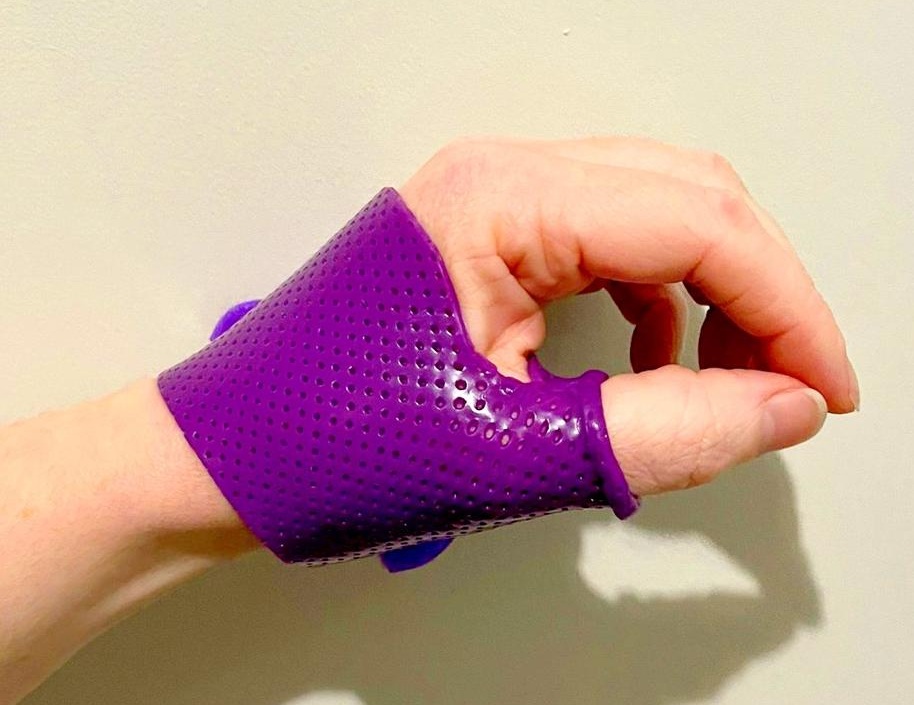
Custom splints are particularly useful when off-the-shelf devices don’t fit well or fail to address the complexity of your condition. Because they are tailored to your anatomy and goals, they can often improve comfort, compliance and outcomes.
Conditions where a Splint may be helpful
Splints can be part of a wider treatment plan for conditions such as:
Trigger Finger/Trigger Thumb Carpal Tunnel Syndrome Wrist Fractures Finger Fractures Duputryen's Contracture (After surgery) Arthritis TFCC Injury Mallet Injuries
How Splinting Fits Into Your Recovery Journey
Splinting is rarely used in isolation. In our hand therapy clinic, it’s part of a comprehensive rehabilitation plan that may also include manual therapy, guided exercise, oedema (swelling) management, activity modification and ergonomic advice.
Our Occupational Therapists will work with you to understand when to wear your splint, whether only during specific tasks, at night, or throughout the day and will adjust it as your condition changes. This ensures the splint supports your healing and functional progress without restricting movement unnecessarily. By combining custom splinting with personalised therapy in Belfast or Hillsborough, we aim to help you regain independence, reduce pain and return to the meaningful tasks of your life with confidence.
If you think a splint could help your hand or upper limb recovery, get in touch today!