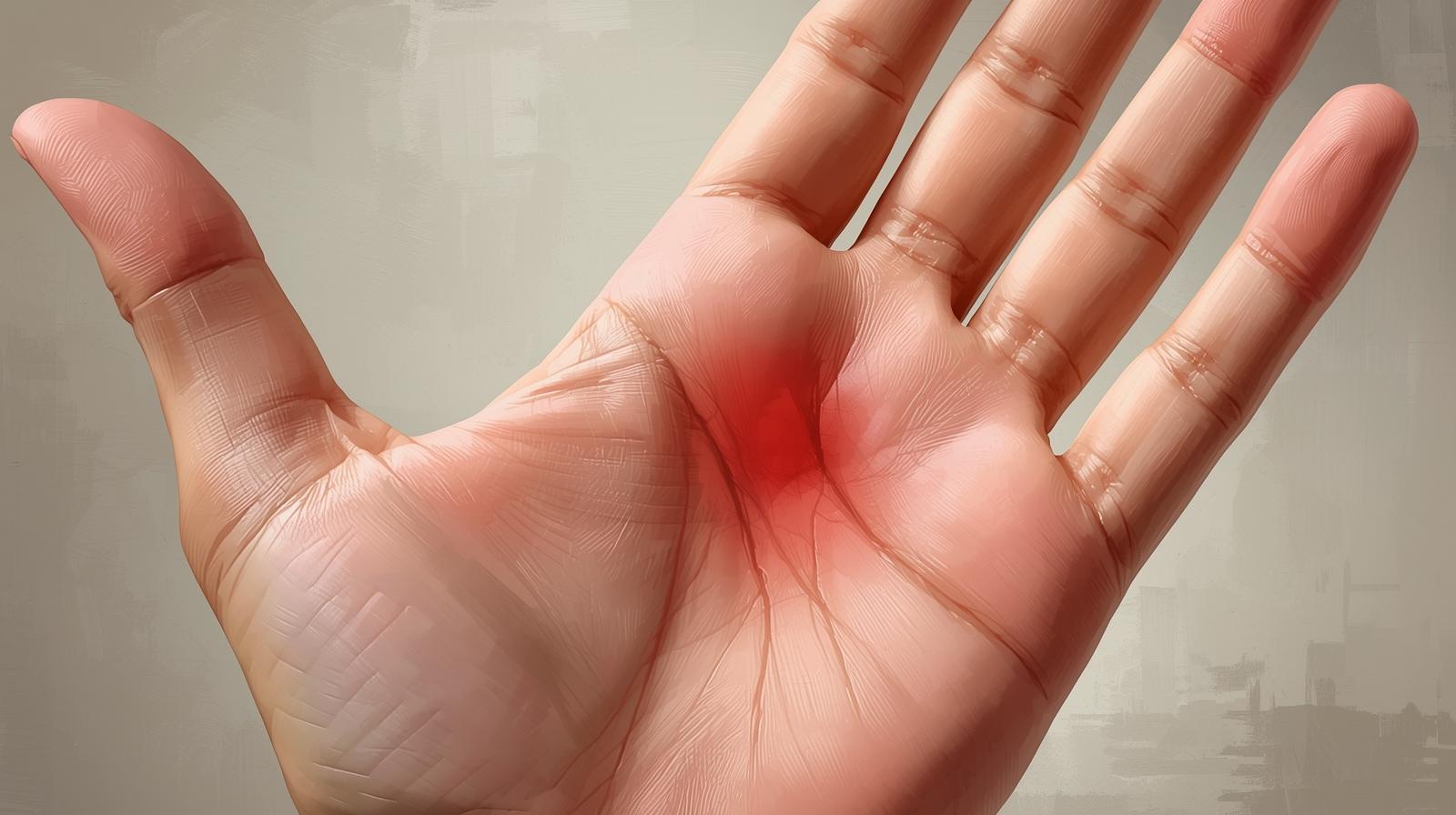
Trigger Finger: How a Small Problem Can Have a Big Impact on Daily Life
The main symptom of a trigger finger or trigger thumb is catching, locking, or snapping suddenly, which may make movements feel awkward or even impossible at times. Over time, people often adapt their behaviour, using the other hand more, avoiding certain tasks, or reducing activity altogether, which can interfere with work, hobbies, and independence. When the hand does not move smoothly, daily life can quickly feel more difficult than it should.
What Is Trigger Finger?
Trigger finger, also known as stenosing tenosynovitis, occurs when inflammation affects the flexor tendon that bends the finger or thumb. These tendons run through tunnels called pulleys, which keep them close to the bone. When swelling develops in the tendon or pulley, most commonly at the A1 pulley near the base of the finger, the tendon can no longer glide smoothly. This leads to the characteristic catching or locking sensation, often accompanied by pain or tenderness in the palm.
Trigger finger can affect any finger or the thumb and may occur in one or multiple digits. It is more common in people with diabetes, rheumatoid arthritis, and in those who perform repetitive gripping or forceful hand activities, although it can also occur without a clear cause.
Grading of Trigger Finger
Trigger finger is commonly graded based on severity, which helps guide treatment decisions. The Quinnell grading system is commonly used to help identify the severity of a trigger finger:
- Grade 0: Normal finger movement, but with pain or tenderness at the base of the finger.
- Grade I: Uneven movement or occasional catching without actual locking.
- Grade II: The finger locks but can be actively straightened by the patient.
- Grade III: The finger locks and requires assistance from the other hand to straighten.
- Grade IV: The finger is locked in a bent position and cannot be straightened.
As the grade increases, symptoms tend to have a greater impact on hand function and daily activities. Early identification and treatment can help prevent progression to more severe stages.
Conservative Management Techniques
Conservative (non-surgical) management is often the first step, particularly in mild to moderate cases. These approaches aim to reduce inflammation, relieve pain, and restore smooth tendon movement. We frequently treat trigger finger/ thumb in the clinic and use a range of modalities to help patients reduce pain, enhance movement and get back to everyday activities with out difficulty.
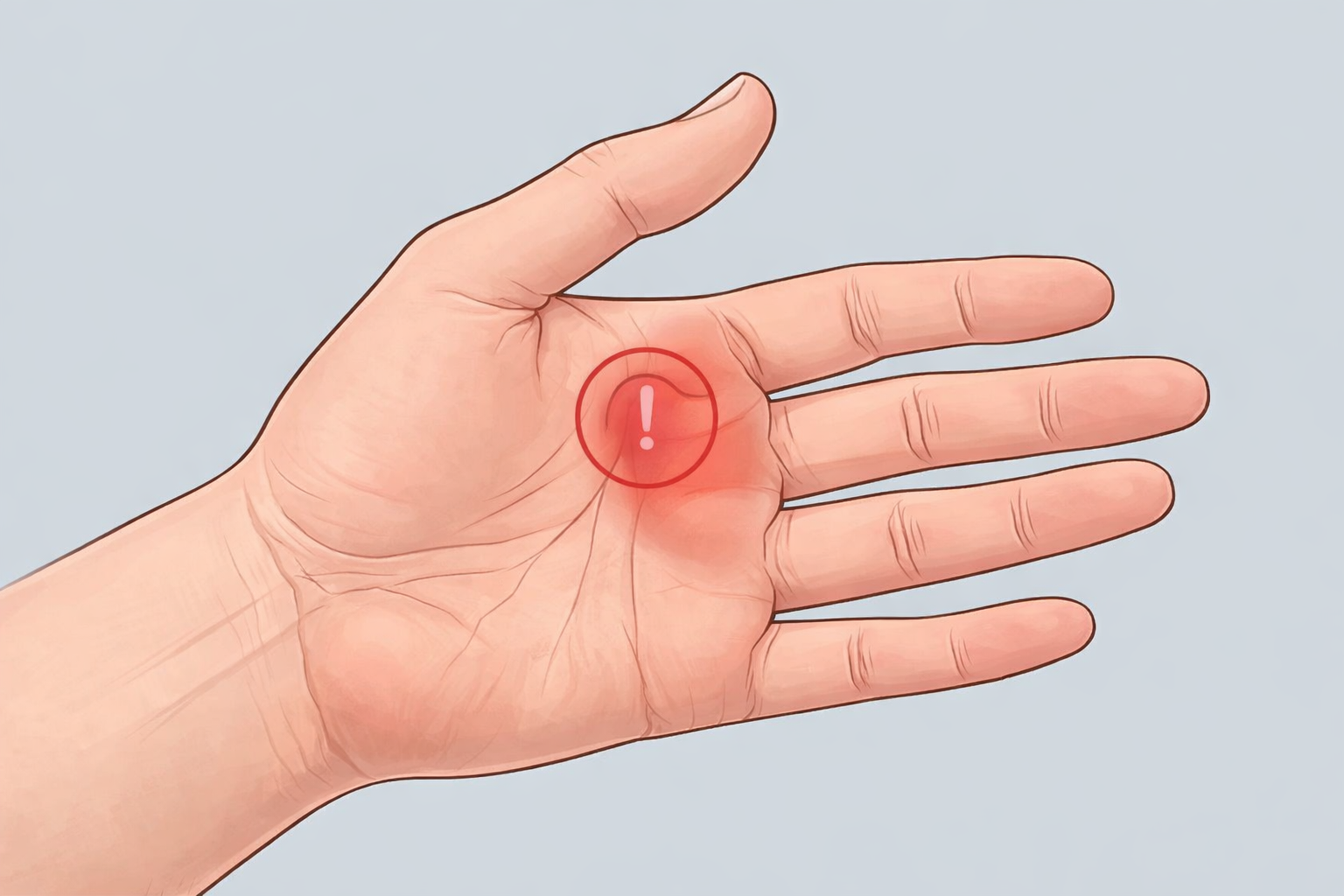
Our Trigger Finger Clinic in Belfast and Hillsborough offers a wide range of modalities to help you quickly reslove these issues. Modalities include:
- Pain management modalities
- Activity modification
- Splinting
- Skin and soft tissue mobilisation
- Range of Motion exercises and activities
- Corticosteroid Injections
Steroid Injections
Corticosteroid injections are widely regarded as the first-line treatment for trigger finger. The injection is typically placed around the affected tendon sheath to reduce inflammation and allow smoother tendon movement. Success rates for steroid injections are generally high. Studies suggest that approximately 60–80% of patients experience significant symptom improvement or complete resolution after a single injection. A second injection may be considered if symptoms recur or only partially improve. Success rates can vary depending on factors such as the severity of the trigger finger, duration of symptoms, and underlying conditions like diabetes, where response rates may be slightly lower.
Steroid injections are usually well tolerated and can lead to rapid improvements in pain and function, allowing people to return to daily activities more comfortably.
When Surgery Is Needed
In some cases, trigger finger does not respond to conservative treatment or steroid injections, or symptoms may be severe from the outset. When locking is persistent, function is significantly impaired, or pain continues despite treatment, surgery may be recommended.
Surgical release of the A1 pulley is a common and highly effective procedure. It involves releasing the tight pulley to allow the tendon to glide freely again. The procedure is typically performed as a day case and has a high success rate, with most patients experiencing resolution of triggering.
Following surgery, hand therapy can play an important role in recovery. Therapy focuses on scar management to prevent sensitivity or adhesions, improving range of motion, and gradually restoring strength. Hand therapy delivered by an Occupational Therapist helps to enhance occupational performance, ensuring a safe and confident return to work, daily tasks, and leisure activities.
In Summary
Trigger finger is a common condition that can significantly affect hand function and quality of life. Understanding how it is graded and treated allows individuals to make informed decisions about their care. While conservative management and steroid injections are effective for many people, surgery remains a reliable option when symptoms persist. With appropriate treatment and, when needed, follow-on hand therapy, most individuals can expect a good recovery and a return to comfortable, functional hand use.
References: Castellanos et al. Long-term effectiveness of corticosteroid injections for trigger finger and thumb. J Hand Surg Am. 2015
Wang et al. Corticosteroid injection for the treatment of trigger finger: meta-analysis of randomized control trials. J Orthop. 2022
Seidel et al. National benchmarks for the efficacy of trigger finger and the associated risk of failure. JAAOS. 2023