
De Quervain's tenosynovitis: Causes, Symptoms and the Best Treatment Options in Northern Ireland
What Is De Quervain’s Tenosynovitis?
De Quervain’s tenosynovitis is a painful tendon irritation on the thumb side of the wrist. It affects two key tendons that control thumb movement, the Abductor Pollicis Longus (APL) and the Extensor Pollicis Brevis (EPB) . When these tendons become inflamed or irritated, the sheath surrounding them thickens, leading to pain, swelling and restricted movement.
Patients often describe:
• Sharp pain when gripping or twisting
• Discomfort when lifting a kettle or baby
• Pain when texting or scrolling
• Difficulty wringing out a cloth
If you’ve been searching for “sharp pain at base of thumb,” “burning pain wrist thumb side,” or “RSI treatment Belfast,” this condition may be the cause. It’s one of the most common repetitive strain injuries we see.
Tendon Pain and Hormones
Tendon health is influenced not only by load and activity, but also by hormones. Oestrogen plays an important role in maintaining tendon elasticity, collagen production and tissue repair. When hormone levels fluctuate, such as during pregnancy, postpartum, perimenopause or menopause, tendons can become more sensitive to load and slower to recover.
Some women contact us after searching for “wrist pain during menopause,” “thumb pain perimenopause,” or when experiencing sudden tendon pain in 40s or 50s.
Understanding the hormonal component is important, as it allows us to tailor load management, recovery strategies and strengthening programmes appropriately.
Is De Quervain’s the Same as “Mommy Thumb”?
Yes, De Quervain’s is often referred to as “Mommy Thumb” or “Mother’s Wrist.” We frequently treat new mothers who develop wrist pain after pregnancy due to:
• Repetitive lifting of their baby
• Sustained awkward wrist positions during feeding
• Prolonged gripping of car seats, prams or bottles
• Hormonal changes affecting tendon health as highlighted above
Many new mums contact us after searching for “postpartum wrist pain Northern Ireland” or “wrist pain after having a baby.” Early treatment is particularly important during this stage, as the wrist is under constant demand.
A Common Repetitive Strain Injury (RSI)
De Quervain’s is also classified as a repetitive strain injury (RSI). We see it in:
• Office workers using a mouse or keyboard
• Hairdressers
• Tradespeople
• Golfers and racquet sport players
• Gym users and weight lifters
• Frequent smartphone users (“texting thumb”)
Seeking specialist hand therapy can significantly shorten recovery time and get you back to pain free work sooner.
Common Symptoms
You may notice:
• Pain at the base of the thumb
• Swelling near the wrist
• Clicking or catching sensations
• Weakness when lifting
• Sharp or shooting pain
• Burning discomfort along the thumb side
Without appropriate treatment, symptoms can persist for months and may gradually worsen.
The Best Treatment Approach for De Quervain’s
At Hand Therapy Services NI, we provide evidence-based, specialist treatment tailored to each individual. In most cases, early specialist intervention can successfully settle symptoms without the need for surgery.
1. Specialist Splinting
A properly fitted thumb spica splint reduces strain on the irritated tendons and allows inflammation to settle. Many patients try off-the-shelf braces but incorrect fit can delay recovery. We provide custom-fitted splints in our Newry, Hillsborough and Belfast clinics to ensure optimal support and comfort.
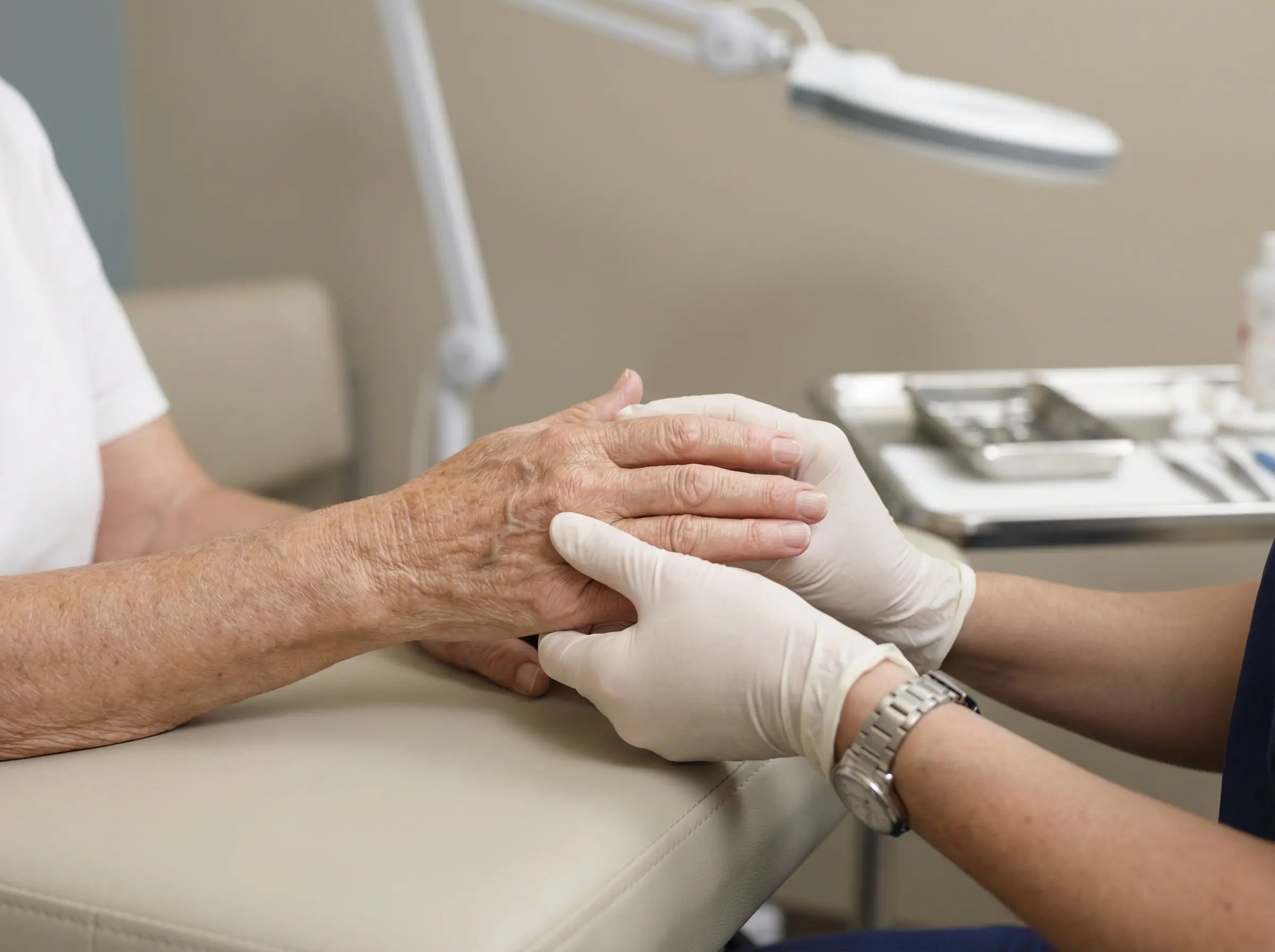
2. Hands-On Manual Therapy
Our specialist hand therapists provide:
• Targeted soft tissue massage
• Tendon gliding techniques
• Joint mobilisation
• Myofascial release
This hands-on treatment helps reduce pain, restore movement and address underlying tension patterns contributing to the problem.
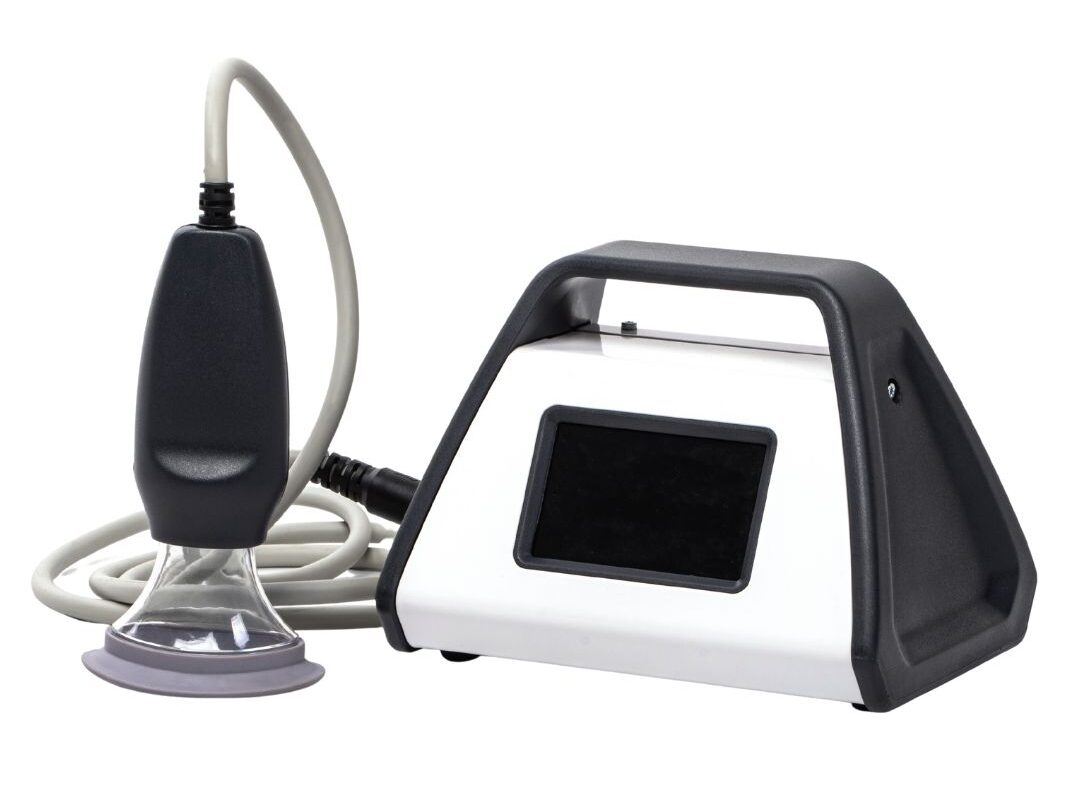
3. Lymphatouch® Therapy
Lymphatouch® uses gentle negative pressure therapy to reduce inflammation and swelling around the irritated thumb tendons, helping to relieve pain on the thumb side of the wrist. By improving local circulation and supporting tissue healing, it can accelerate recovery from De Quervain’s tenosynovitis.
We use Lymphatouch negative pressure therapy to:
• Reduce inflammation
• Improve circulation
• Support tissue healing
• Decrease pain
4. Steroid Injection (When Clinically Indicated)
For persistent or more severe cases, a corticosteroid injection may be recommended. Check out our blog post on Understanding Corticosteroid injections in hand therapy for more information. Many patients contact us asking “how long does a steroid injection take to work for thumb tendonitis?” or “steroid injection for De Quervain’s Belfast.”
When appropriate, we work closely with medical providers to coordinate safe and effective injection therapy. When combined with splinting and specialist rehabilitation, injections can significantly accelerate recovery.
5. Individualised Exercise & Load Management
Long-term success depends on restoring strength and managing load correctly. We provide:
• Specific tendon gliding exercises
• Gradual strengthening programmes
• Ergonomic advice
• Activity modification strategies
This stage is crucial to prevent recurrence, particularly for new mums, perimenopausal women, manual workers and office-based professionals.
Will I Need Surgery?
Most patients recover well with conservative management. However, a small percentage of individuals with severe, longstanding or recurrent symptoms may require surgical release of the tendon sheath. Surgery is typically considered when:
• Symptoms persist despite appropriate splinting and therapy
• Steroid injections fail to provide lasting relief
• Pain significantly limits daily function
The good news is that early specialist hand therapy can help reduce inflammation, correcting movement patterns and optimising tendon loading early, which can reduce the risk of progression to chronic irritation that may require surgical intervention.
For patients who do require surgery, pre- and post-operative hand therapy plays an essential role in achieving the best possible outcome.
When Should You Seek Help?
If your symptoms:
• Have lasted more than 2–3 weeks
• Are worsening
• Interfere with lifting your baby, working or sleeping
• Keep returning
It’s time to seek specialist assessment. Early treatment leads to faster recovery and reduces the risk of chronic pain or surgery.
Book a specialist assessment today and start your recovery with confidence.
If you’re experiencing thumb or wrist pain and have been searching for answers, we’re here to help. Contact Hand Therapy Services NI to arrange a specialist assessment in Newry, Hillsborough or Belfast.
Let’s get you back to lifting, gripping and living, pain free.